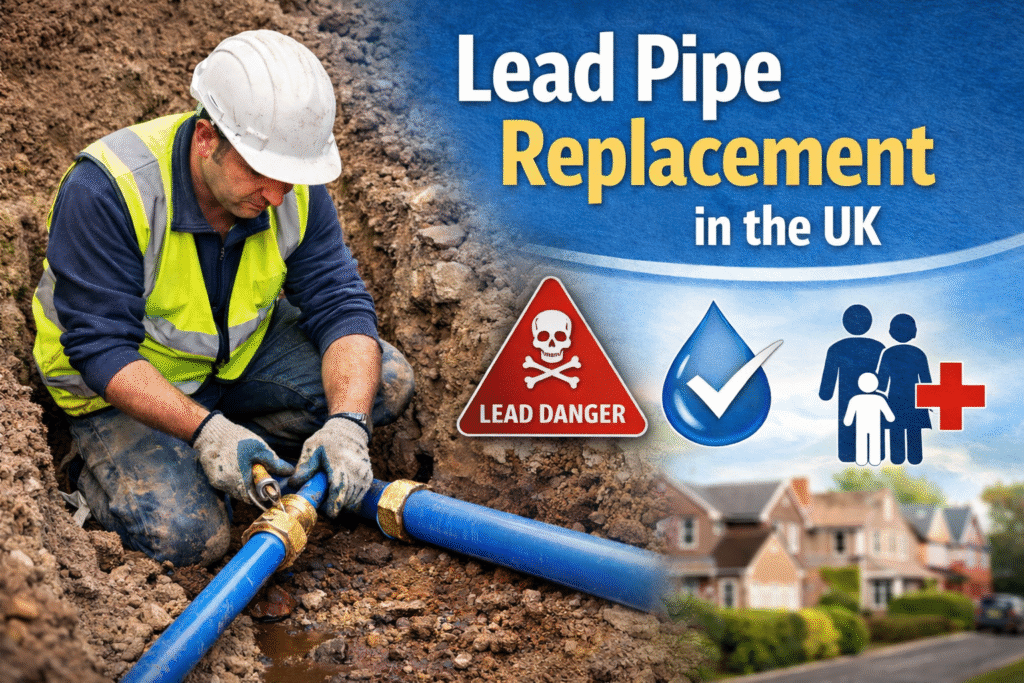
Many homeowners across the UK are unaware that their property may still be connected to the water supply through outdated lead pipework. While these pipes were once considered standard, modern research and regulations have made it clear that lead pipes no longer meet acceptable health or safety standards. As a result, lead pipe replacement has become an important renovation and infrastructure upgrade for both residential and commercial properties.
This article explains how lead pipes affect water quality, when replacement becomes necessary, and how modern methods are making the process far less disruptive than in the past.
Understanding Lead Water Pipes
What Are Lead Pipes?
Lead pipes were commonly used in UK properties built before the 1970s. They were favoured for their flexibility and ease of installation. Over time, however, it became clear that lead can leach into drinking water, particularly when pipes corrode or remain unused for long periods.
Where Lead Pipes Are Usually Found
Lead pipes are often located underground between the property boundary and the internal plumbing system. In many cases, homeowners are responsible for replacing these sections, even if the public supply has already been upgraded.
Why Lead Pipe Replacement Is So Important
Health Risks Associated With Lead in Water
Even small traces of lead in drinking water can pose long-term health risks. Children, pregnant women, and elderly individuals are particularly vulnerable. Prolonged exposure has been linked to developmental issues and other health concerns.
Compliance With Modern Water Standards
UK water regulations now strongly discourage the use of lead pipework. Replacing lead pipes helps ensure compliance with modern safety standards and improves overall water quality.
Signs You May Still Have Lead Pipes
Age of the Property
Homes built before the 1970s are more likely to contain lead supply pipes, especially if no major renovation has taken place.
Visual Inspection
Lead pipes are typically dull grey and softer than copper or plastic. A simple scratch test can sometimes reveal a shiny silver surface underneath.
Water Quality Issues
Discolored water, metallic taste, or visible sediment may indicate corrosion within old pipework.
Modern Lead Pipe Replacement Methods
Traditional Excavation
Older replacement methods required extensive digging to access and replace the pipe. While effective, this approach often caused significant disruption to gardens, driveways, and pathways.
Trenchless Lead Pipe Replacement
Modern trenchless techniques allow new pipes to be installed with minimal excavation. Small access points are created, and the new pipe is installed underground without disturbing the surface.
Benefits of Trenchless Replacement
- Minimal disruption to property
- Faster installation times
- Reduced restoration costs
- Durable, long-lasting materials
Replacing Lead Pipes With Plastic Alternatives
Why Plastic Pipes Are the Preferred Choice
Modern MDPE plastic pipes are flexible, corrosion-resistant, and fully compliant with UK water regulations. They provide improved water flow and are designed to last for decades.
Improved Water Pressure and Flow
Replacing narrow or corroded lead pipes often results in noticeably better water pressure, especially in properties with multiple bathrooms or high water usage.
Lead Pipe Replacement During Property Renovation
Ideal Time to Upgrade Pipework
Renovation projects provide an excellent opportunity to replace outdated pipework. Since groundwork or landscaping may already be planned, disruption can be minimised.
Long-Term Value for Homeowners
Upgrading lead pipes not only improves water quality but can also increase property value and appeal to future buyers.
Choosing the Right Specialist for Lead Pipe Replacement
Importance of Qualified Contractors
Lead pipe replacement requires specialist knowledge and proper certification. Contractors must understand underground infrastructure, local regulations, and modern installation techniques.
Homeowners looking for reliable lead pipe replacement UK services often choose experienced utilities specialists who offer trenchless solutions and full compliance with industry standards.
Costs and Planning Considerations
What Affects Replacement Costs?
Several factors influence the cost of lead pipe replacement, including pipe length, ground conditions, and access points. Trenchless methods can often reduce overall expenses by limiting reinstatement work.
Grants and Support Options
In some areas, water authorities may offer grants or financial support to encourage lead pipe replacement. Checking local eligibility can help offset costs.
Additional Property Infrastructure Improvements
Coordinating With Water Mains Replacement
Many homeowners choose to replace lead pipes at the same time as upgrading their water main. This combined approach reduces future disruption and ensures a fully modernised water supply.
Preventative Maintenance Planning
Property maintenance blogs and renovation guides often highlight the importance of addressing underground infrastructure early to avoid costly emergency repairs later on.
Final Thoughts
Lead pipe replacement is no longer just a recommendation—it is a necessary upgrade for health, safety, and long-term property reliability. With modern trenchless methods, replacing outdated pipework is faster and less disruptive than ever before.
For UK homeowners planning renovations or addressing water quality concerns, understanding the benefits of lead pipe replacement can help ensure a safer and more reliable water supply for years to come.